
[Personal update] I have successfully completed all coursework requirements and institutional prerequisites for my PhD and passed the comprehensive exam. I am grateful for this achievement and look forward to dedicating 2026 to writing my dissertation while prioritizing my commitments to family and pastoral ministry.
Here’s my top 10 books that I have read last year, 2025. I hope you also read at least three books recommended here. God bless!
Want to read my previous top 10 lists, click the Years here: 2024; 2023; 2022; 2021; 2020
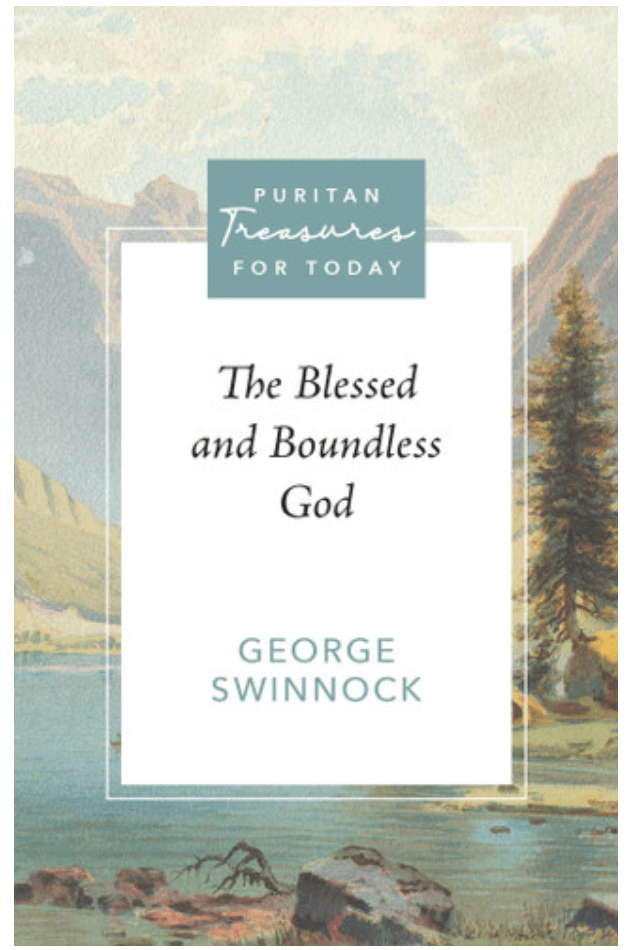
1. George Swinnock, The Blessed and Boundless God, ed., Stephen Yuille (Grand Rapids, MI: Reformation Heritage Books, 2014).
George Swinnock’s Puritan classic on the nature and attributes of God is one of the finest introductions to theology proper I’ve ever read, reminding me that the pursuit of knowing God begins not with pride, but with kneeling in humility through prayer and Scripture. Swinnock shows that true knowledge of God is never merely academic—it leads to reverent fear, deeper worship, and heartfelt praise. The more I grow in the saving knowledge of God, the more I see my own emptiness compared to His boundless majesty, and the more I rejoice that by grace and covenant, God is mine forever. This book stirred my soul to admire God’s presence, works, and glorious attributes, and to respond with worship: to God be the glory.
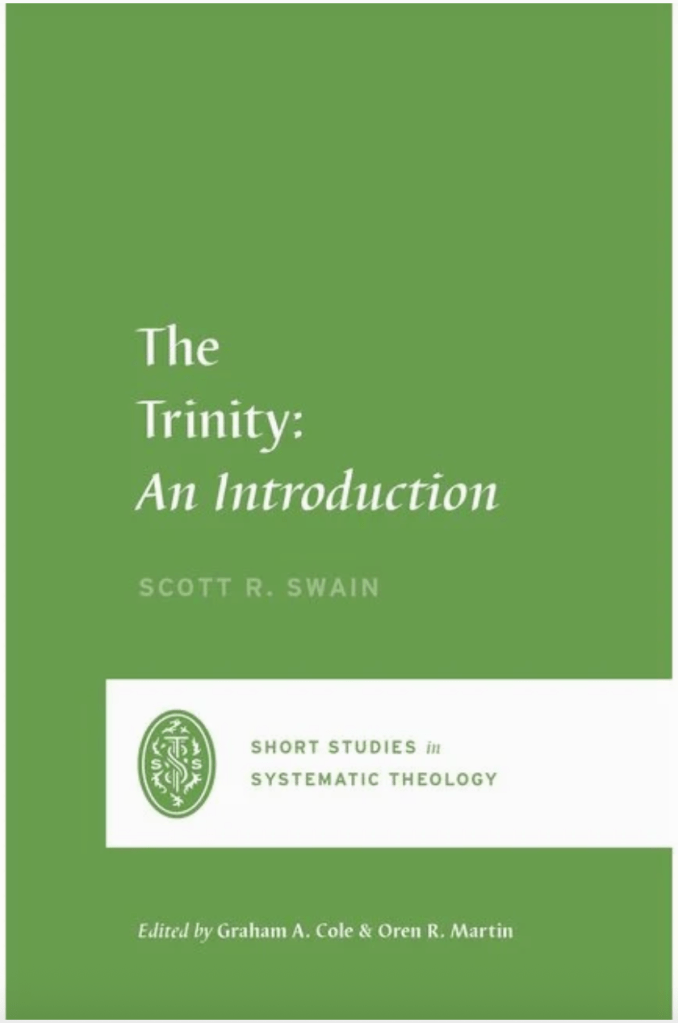
2. Scott Swain, The Trinity: An Introduction (Wheaton, IL: Crossway, 2020).
Scott Swain offers a concise yet rich introduction to the doctrine of the Trinity, written for pastors, students, and laypeople who want to know God more deeply. Grounded in Scripture, the book is both systematic and doxological—teaching Trinitarian doctrine while repeatedly guiding readers to worship the Triune God. Swain carefully explains key concepts such as Trinitarian eternal relations of origin, divine simplicity, and the inseparable works of the Father, Son, and Spirit, while also correcting common errors and modern distortions. Clear, devotional, and highly practical, this short book equips believers to think rightly about the Trinity and to glorify God with greater reverence and joy. [See more]
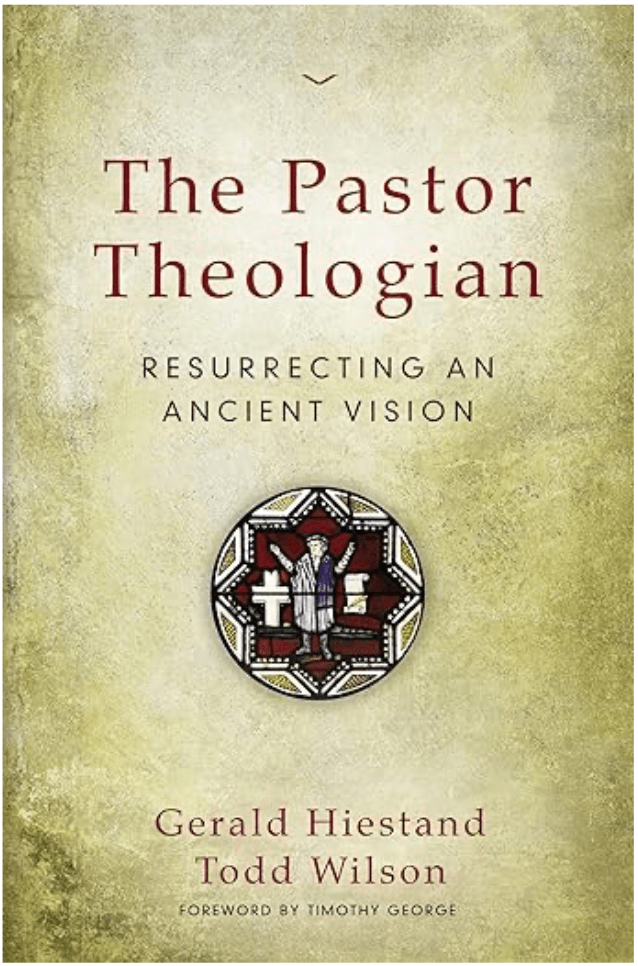
3. Gerald Hiestand and Todd Wilson, The Pastor Theologian: Resurrecting an Ancient Vision (Grand Rapids, MI: Zondervan, 2015)
Gerald and Todd call the church and the academy to recover the historic vision of the pastor-theologian, a role embodied by figures such as Augustine, Calvin, Wesley, and Edwards, among others. They argue that the modern divide—academics as “theologians” and pastors as mere “practitioners”—has produced theological anemia in the church and ecclesial anemia in seminaries. To address this, they present a threefold taxonomy of the pastor-theologian as local, popular, and ecclesial theologian, emphasizing that a pastor remains a shepherd first and a theologian second. Practical, convicting, and timely, this book is a must-read for pastors, church leaders, and theological educators alike.
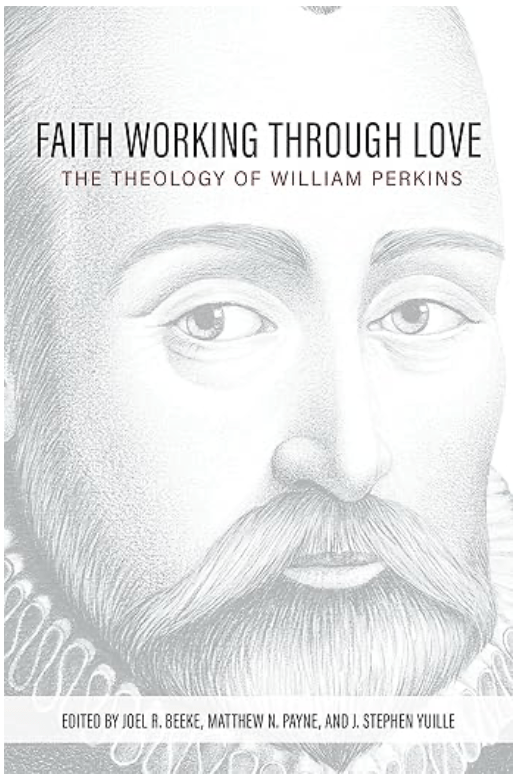
4. Joel Beeke, Matthew Payne, and J. Stephen Yuille, Faith Working Through Love: The Theology of William Perkins (Grand Rapids, MI: Reformation Heritage Books, 2022).
Faith Working through Love is a scholarly study of William Perkins—often called the father of Puritanism—written by experts in his life, theology, and Puritan history. The book offers a wide-ranging look at Perkins’ theological vision, covering themes such as the Triune God, the work of Christ, salvation and the ordo salutis, the church and ministry, ethics and Christian conduct, vocation, marriage, and eschatological glory. It also explores the philosophical and theological methods that shaped his thinking and influence. Overall, this work is an excellent resource for anyone who wants a deeper understanding of Perkins and the foundations of Puritan theology.
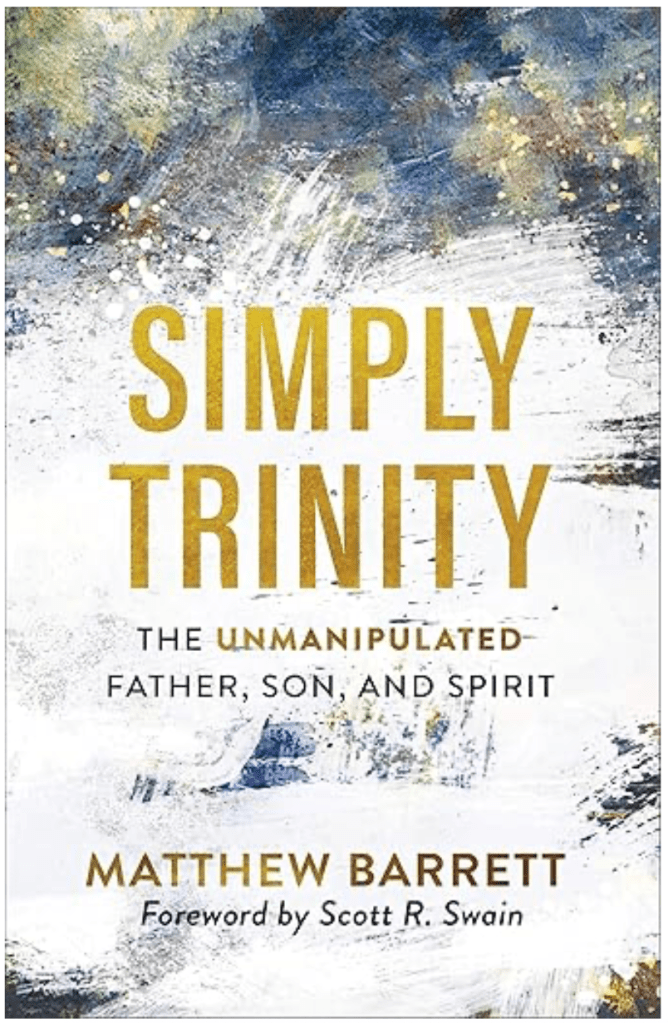
5.Matthew Barrett, Simply Trinity: The Unmanipulated Father, Son, and Spirit (Grand Rapids, MI: Baker Books, 2021).
Matthew Barrett’s Simply Trinity seeks to recover the classical doctrine of the Trinity by tracing how modern Evangelical theology has experienced a “Trinity drift” over the past few decades. Drawing on Scripture alongside the creeds and the church’s great Trinitarian thinkers, Barrett re-centers key doctrines such as divine simplicity, the eternal relations of origin, and especially the eternal generation of the Son. He also critiques modern subordinationist tendencies (such as EFS/ERAS), showing how they distort both Trinitarian theology and the gospel itself. Clear, well-structured, and accessible, the book offers a compelling call for Evangelicals to rediscover the God who is “simply Trinity”—uncompromised and worthy of worship. [See more]
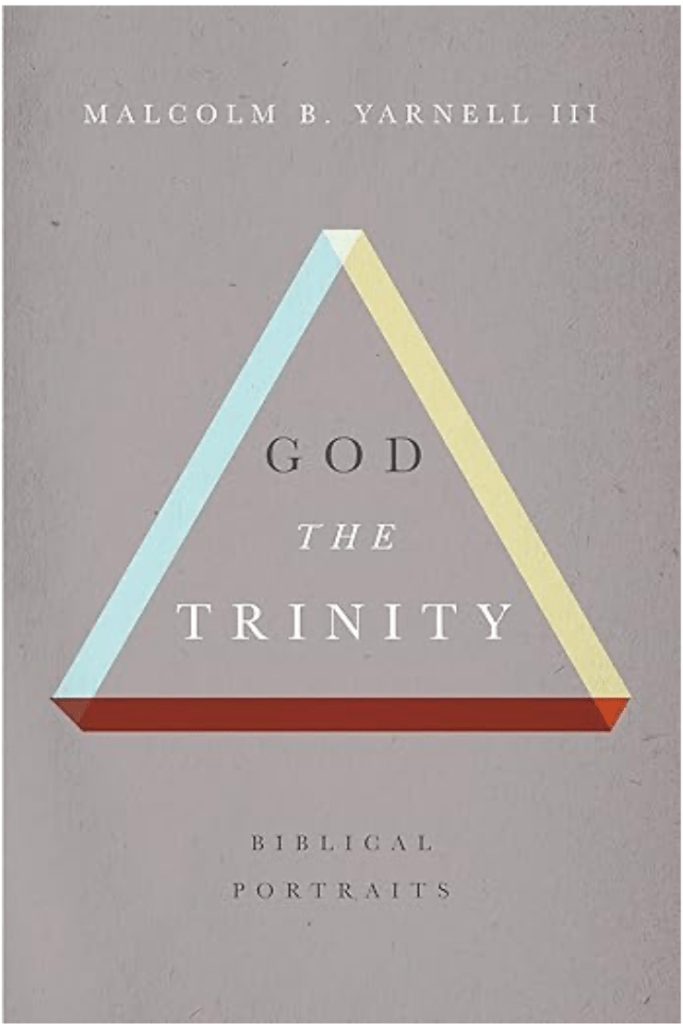
6. Malcolm Yarnell III, God the Trinity: Biblical Portraits (Nashville, TN: B&H Academic, 2016).*
The first time I had read this work was in 2017. Yarnell’s God the Trinity explores Trinitarian patterns in Scripture by presenting rich biblical “portraits” of the Triune God drawn from key Old and New Testament passages. Using theological interpretation of Scripture, he combines careful historical-grammatical exegesis with the church’s precritical reading tradition, showing how biblical theology informs systematic theology. Yarnell not only grounds each Trinitarian doctrine in close textual study but also engages with church history and modern debates with humility and clarity—offering a balanced correction to Rahner by insisting that the economic Trinity reveals the immanent Trinity truly, though not exhaustively. Both scholarly and devotional, this book invites readers to behold the beauty of the Trinity while deepening their theological precision and worship. [See more]
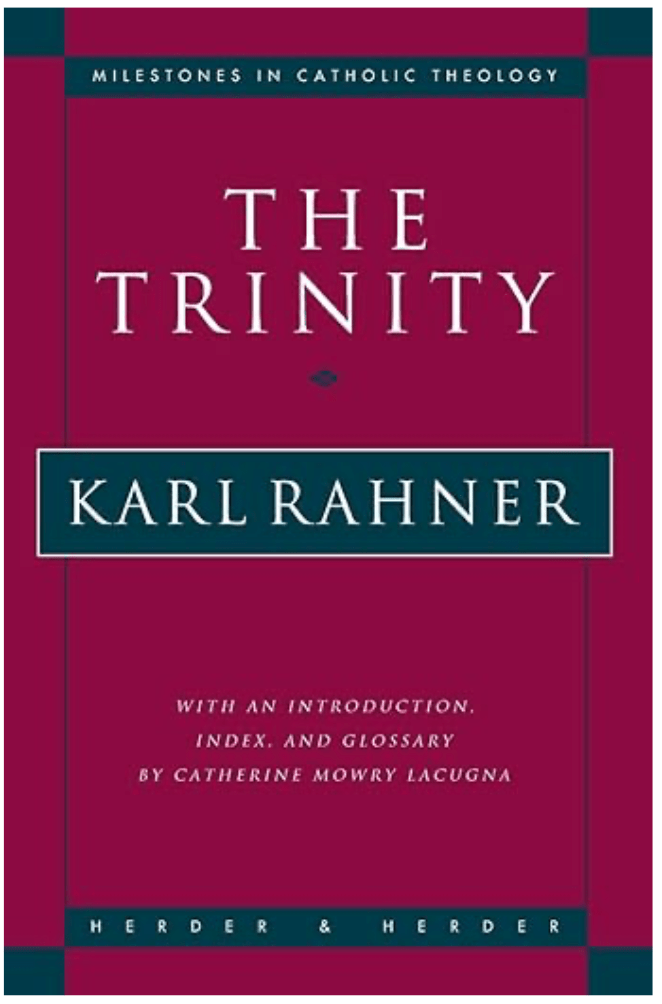
7. Karl Rahner, The Trinity, trans., Joseph Donceel (1967; repr., NY: The Crossroad Publishing, 2001).
Karl Rahner’s work seeks to restore the doctrine of the Trinity to the center of Christian theology, faith, and daily practice through his famous axiom: “the economic Trinity is the immanent Trinity and the immanent Trinity is the economic Trinity.” Writing against Neo-Scholasticism’s tendency to separate God’s inner life (ad intra) from God’s saving work (ad extra), Rahner argues that God truly reveals Himself as Father, Son, and Spirit through divine self-communication in salvation history. His approach powerfully reasserts the Trinity’s relevance and safeguards key Christological claims, yet it also raises concerns about blurring the line between God’s revelation and God’s eternal being. Though demanding and philosophical, Rahner remains essential reading for advanced students who want to understand modern Trinitarian theology and its ongoing influence. [See more]
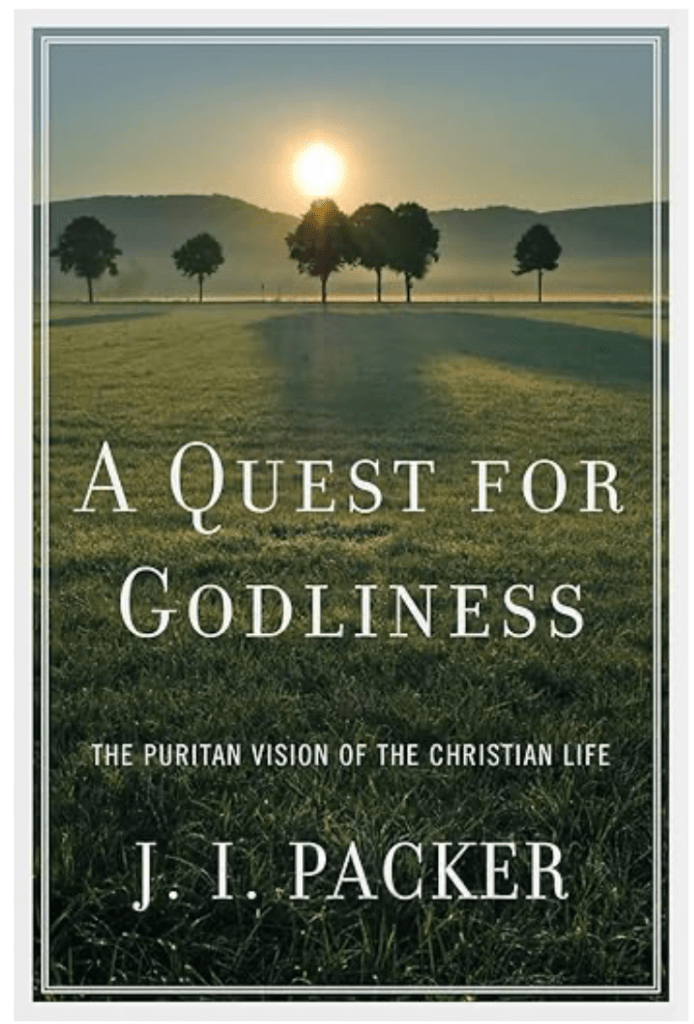
8. J. I. Packer, A Quest for Godliness: The Puritan Vision of the Christian Life (1990; repr., Wheaton, IL: Crossway, 2010).*
I had read this work in 2020 and again last year. J. I. Packer’s classic work makes a compelling case for why the Puritans still matter by portraying them as profound thinkers, devoted worshippers, resilient hopers, and courageous spiritual warriors. Through historical theology and rich descriptions of Puritan spirituality, Packer shows that Puritanism was ultimately a spiritual movement for God and godliness. He argues that this kind of deep, practical holiness is exactly what the modern church often lacks, making the Puritans a needed guide for today. Whether you love Puritan history or are new to it, this book is a timeless call to pursue a true “quest for godliness.”
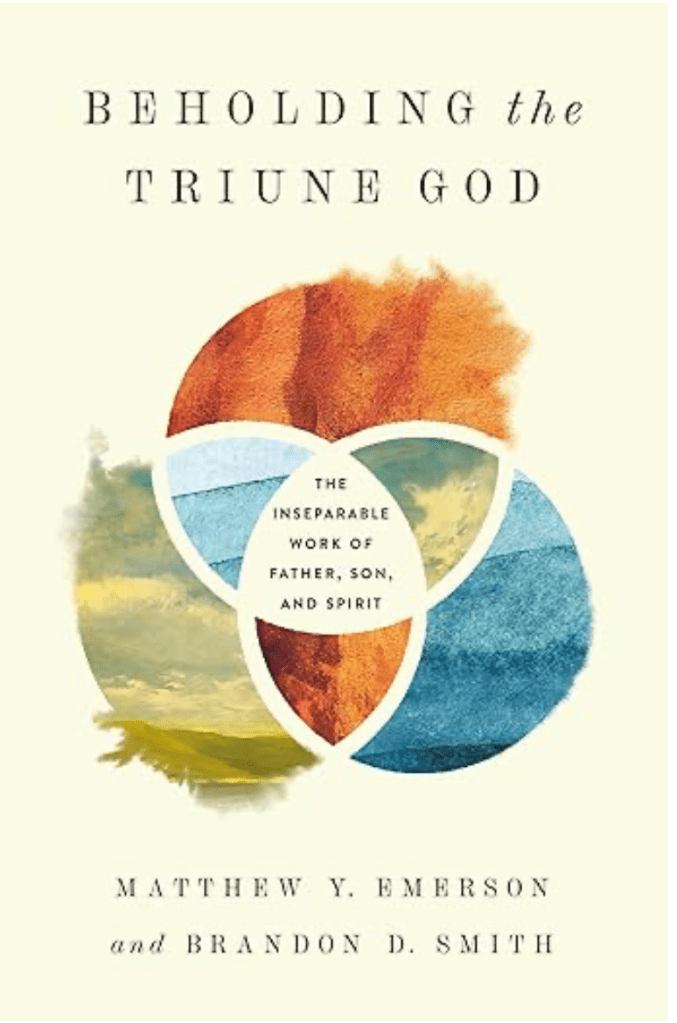
9. Matthew Emerson and Brandon Smith, Beholding the Triune God: The Inseparable Work of the Father, Son, and Spirit (Wheaton, IL: Crossway, 2024).
Matthew Emerson and Brandon Smith’s Beholding the Triune God introduces readers to the classical doctrine of inseparable operations as an antidote to tritheism and modalism. Their central claim is simple yet profound: every act of God is one singular act of the Father, Son, and Spirit. Alongside this, they clarify the doctrine of appropriations, helping readers avoid attributing God’s works to one person in a way that forgets the other two. Both accessible and worshipful, the book traces the Trinity’s inseparable work across creation, providence, salvation, sanctification, mission, and judgment, inviting believers to behold and praise the Triune God.
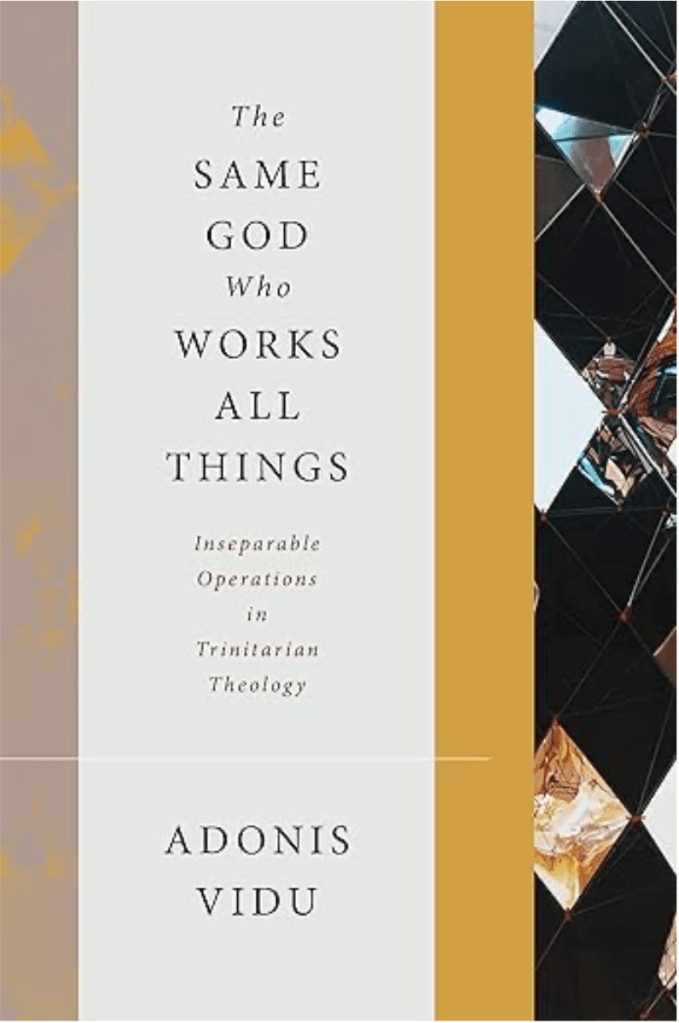
10. Adonis Vidu, The Same God Who Works All Things: Inseparable Operations in Trinitarian Theology (Grand Rapids, MI: William B. Eerdmans, 2021).
Adonis Vidu’s work is a rich and challenging retrieval of classical Trinitarian theology, arguing that inseparable operations should function as a foundational “grammatical rule” for understanding the Trinity. He defends a “hard” view of inseparable operations—insisting that every divine act of one person is also the act of the other two—against softer models that risk implying three wills and drifting toward errors like social Trinitarianism or functional subordinationism. Grounded in Scripture and strengthened by engagement with the church fathers and medieval theologians, Vidu applies this doctrine to creation, Christology, and pneumatology with impressive depth. Though not an easy read, the book is a must-engage resource for serious students of Trinitarian theology and divine action. [See more]
 John&Paul's Reflections
A lot of reading! Thanks for sharing the books you have read. I did some training through Lowcountry Bible Counseling Center, so I became more familiar with theology and using it practically. I enjoyed it. It was very interesting. I look forward to more about your books.
LikeLike